






Overview
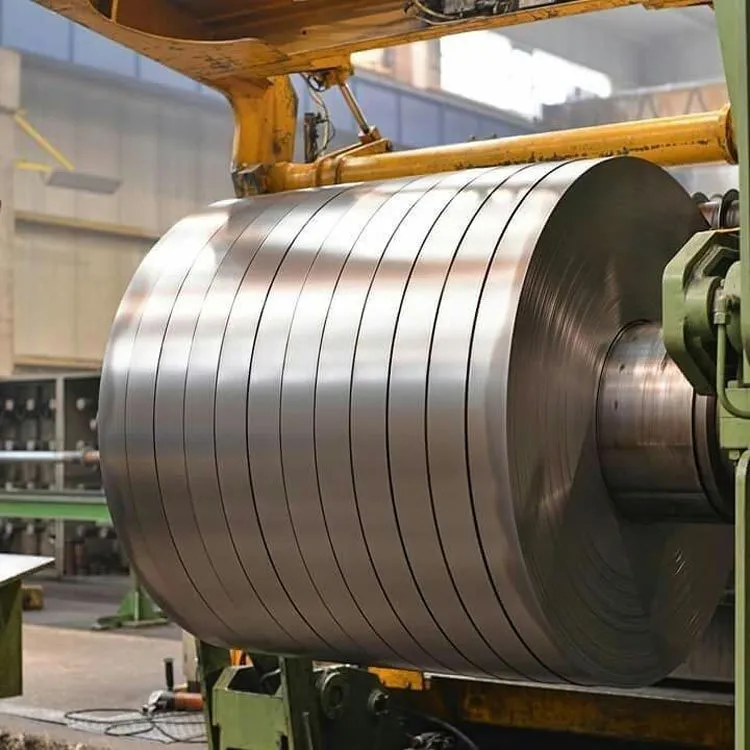
Stainless steel strip is ordered by grade, delivery condition and finished strip geometry. Identify the governing standard and edition, thickness, slit width and tolerances, edge condition, burr limits and surface finish. A grade such as 304, 316L or 430 does not by itself define temper, hardness, spring performance or suitability for a corrosive environment.
For stamping, roll forming or decorative parts, provide the drawing, bend requirements, visible faces and surface-protection needs. For spring components, specify the applicable spring-strip requirements, mechanical properties and delivery condition; general-purpose annealed strip is not automatically spring material. Agree width and thickness measurement, camber or flatness acceptance, coil inside and outside diameters, mass limits and winding direction. Identify any film or separator requirements and the intended handling method. Link inspection documents and coil identification to the exact order so receiving checks can use agreed acceptance criteria.
Product scope
- Grade and annealed or cold-worked condition are separate requirements.
- Slit width tolerance does not replace edge, burr or camber acceptance.
- Spring duty and corrosion resistance need application-specific review.