






Overview
The 1050 alloy designation does not set the temper, thickness tolerance or surface acceptance. State the governing flat-product standard and the condition needed for your forming or fabrication process. Include nominal thickness and its tolerance basis, width, length, flatness and any restrictions on scratches or handling marks. A drawing is useful when cut blanks must fit a subsequent process.
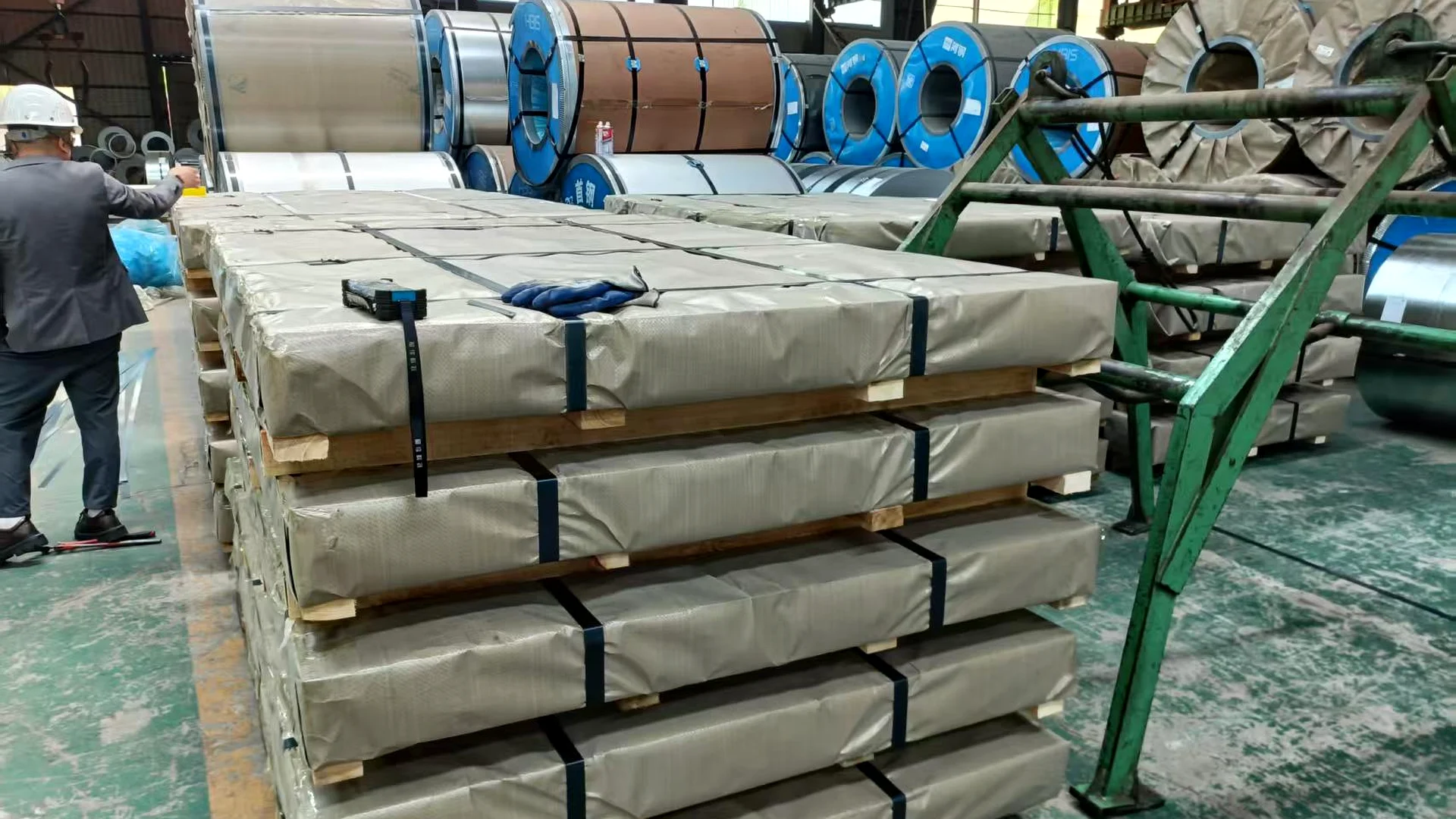
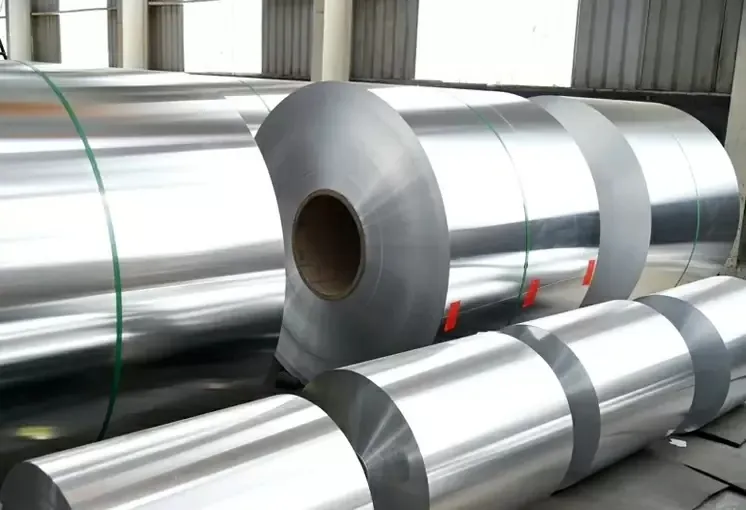
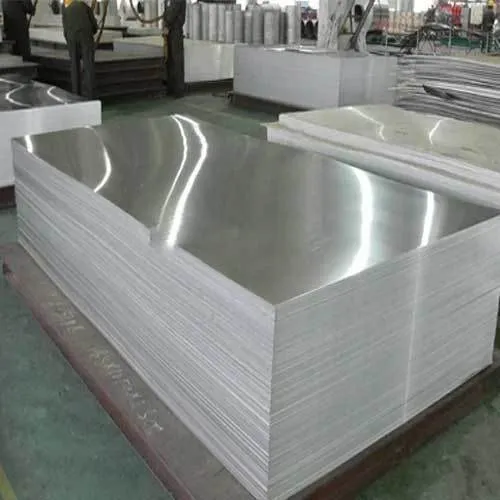
Keep plate orders separate from coil orders. Define the required edge condition, burr acceptance, protective film and whether a particular face must remain visible after fabrication. If parts will be bent, welded or finished, describe that operation and the acceptance criteria. Any requested cutting or surface work must be included in the quotation scope. Confirm quantity, lot identification, inspection documents, packing and destination before comparing offers; another alloy or temper needs a separate review.
Product scope
- 1050 alloy, temper and governing flat-product standard
- Thickness, width, length and dimensional tolerances